

Exercises That May Help Support Your Menstrual Cycle
Many women look for natural ways to support their menstrual cycle, especially during times of delayed periods or premenstrual discomfort. Gentle exercise may help improve blood circulation, reduce stress, promote relaxation, and increase mobility in the pelvic region. These factors can contribute to overall reproductive health and help the body function more efficiently.
However, it's important to understand that no exercise can guarantee the start of a menstrual period. The menstrual cycle is influenced by many factors, including hormone levels, stress, sleep quality, nutrition, body weight, physical activity, and overall health.
In this guide, Morvigo Pro explores exercises that may support relaxation, improve circulation, and promote general well-being while helping you stay active throughout your menstrual cycle.

Do Exercises That Claim to Induce a Period Really Work?
Certain exercises may help your body relax and ease some of the physical discomfort associated with a delayed period or premenstrual symptoms. Gentle movement can promote healthy blood circulation, reduce stress, and encourage relaxation of the abdominal and pelvic muscles, all of which contribute to overall well-being.
However, it's important to understand that no exercise has been scientifically proven to trigger the start of a menstrual period. Instead, these exercises should be viewed as supportive activities that may help reduce stress, improve mobility, and promote a healthy lifestyle. Since menstrual delays can result from various underlying factors, persistent or recurring delays should always be evaluated by a qualified healthcare professional.
What Causes a Delayed Period?
A delayed menstrual cycle is influenced by many factors and cannot be explained by a lack of exercise alone. Hormonal changes play the most significant role, but lifestyle habits and overall health can also affect your cycle.
Some common causes of a delayed period include:
High levels of stress or anxiety
Changes in sleep patterns
Sudden weight loss or weight gain
Dietary or nutritional changes
Intense physical activity or overtraining
Hormonal imbalances
Conditions such as Polycystic Ovary Syndrome (PCOS)
Certain medications
Pregnancy
Even if you practice exercises intended to support menstrual health, it's important to identify the underlying reason for the delay. If your missed or delayed period is accompanied by severe pain, unusual symptoms, or continues for an extended period, seek medical advice for a proper evaluation.
At Morvigo Pro, we encourage a balanced approach to health through regular movement, proper nutrition, quality sleep, and stress management. These healthy lifestyle habits support overall wellness and may contribute to maintaining a regular menstrual cycle.
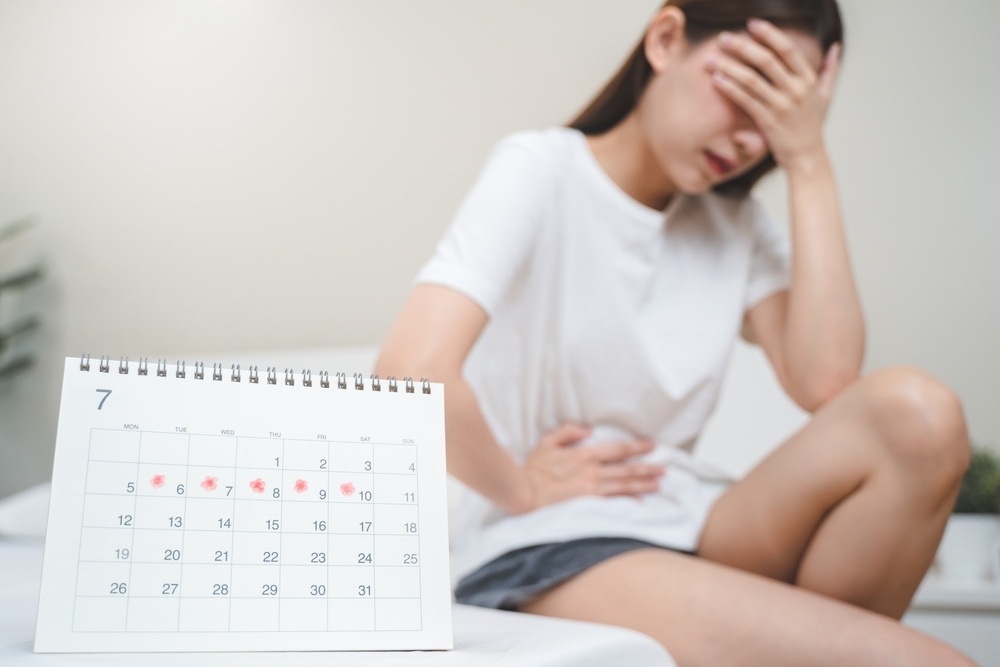
Exercises That May Help Support Menstrual Health
Exercises commonly associated with menstrual wellness are generally gentle, low-impact movements designed to promote relaxation and improve circulation. While these activities may help reduce stress, ease muscle tension, and increase mobility around the pelvic region, they should not be considered a guaranteed way to start a menstrual period.
If you'd like to stay active during your menstrual cycle or while experiencing a delayed period, the following low-intensity exercises may help support your overall well-being.
Walking & Light Cardio
Walking is one of the simplest and most accessible forms of exercise. A light walk can encourage healthy circulation, reduce daily stress, and promote relaxation without placing excessive strain on the body.
For individuals experiencing a delayed period, gentle movement may feel more beneficial than remaining completely inactive.
Potential Benefits of Walking
Supports healthy blood circulation
Increases daily physical activity
Helps reduce stress and tension
Provides gentle movement without excessive fatigue
Promotes overall relaxation and well-being
During your menstrual cycle, moderate activities such as walking are often more comfortable than high-intensity running or vigorous cardio sessions. The goal is to keep your body moving while avoiding unnecessary physical stress.
Squats
Squats are a fundamental lower-body exercise that strengthens the glutes, legs, and core muscles. They are widely used in fitness programs to improve lower-body strength, mobility, and functional movement.
Because squats engage the muscles surrounding the hips and pelvis, they are sometimes included in gentle exercise routines designed to promote movement and flexibility in the lower body.
Tips for Proper Squat Form
Keep your knees aligned with your toes.
Maintain a neutral spine throughout the movement.
Lower your body slowly and with control.
Breathe steadily during each repetition.
Stop immediately if you experience pain or discomfort.
If you're new to exercise, bodyweight squats are an excellent place to begin. Focus on maintaining proper technique rather than performing a high number of repetitions.
Standing Twist
The Standing Twist is a simple mobility exercise that involves gently rotating your torso from side to side while standing. It requires no equipment and is suitable for most fitness levels.
This movement lightly activates the muscles around the abdomen, waist, and lower back while encouraging gentle spinal mobility. It can be especially beneficial for people who spend long hours sitting and want to improve daily movement without intense exercise.
How to Perform a Standing Twist Safely
Stand with your feet shoulder-width apart.
Slowly rotate your upper body from side to side.
Avoid sudden or forceful twisting motions.
Keep your shoulders and neck relaxed.
Move only within a comfortable range of motion.
Because of its gentle nature, the Standing Twist is a simple way to stay active, improve mobility, and promote relaxation without placing excessive stress on the body.
At Morvigo Pro, we encourage choosing low-impact exercises that support overall wellness, improve mobility, and help you stay active while listening to your body's needs.
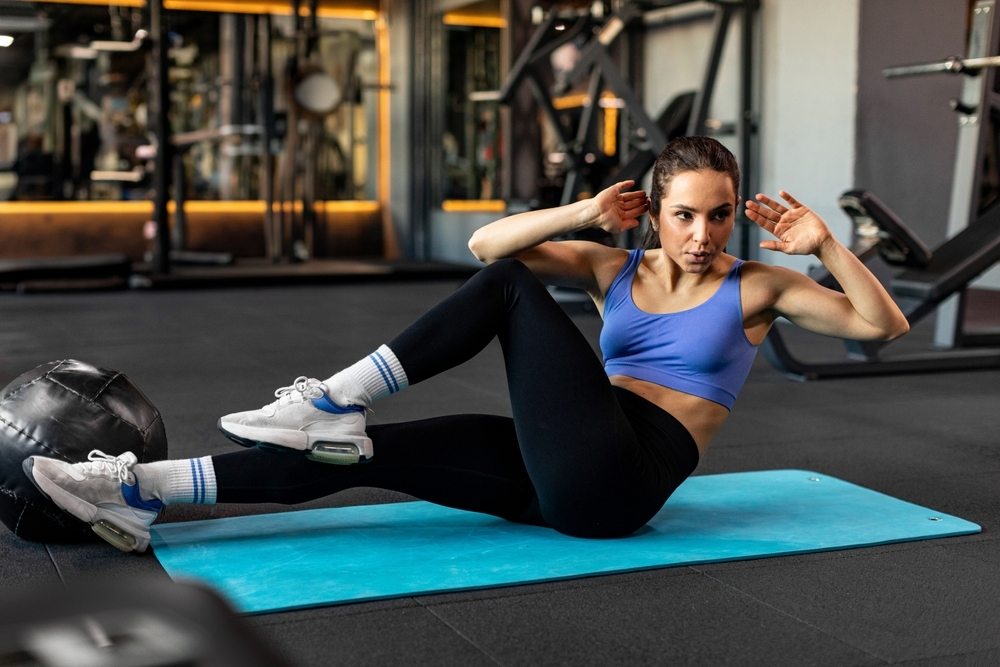
Reverse Crunch & Bicycle Crunch
Reverse Crunches and Bicycle Crunches are two of the most effective bodyweight exercises for strengthening the abdominal muscles and improving core stability. When performed with proper technique, these exercises engage multiple core muscles while promoting better body control and balance.
The Reverse Crunch primarily targets the lower abdominal muscles by lifting the knees toward the chest in a slow, controlled motion. The Bicycle Crunch combines a twisting movement with alternating leg extensions, activating both the upper and lower abdominals as well as the obliques.
Tips for Proper Technique
Perform each movement slowly and under control.
Avoid pulling on your neck with your hands.
Keep your lower back supported throughout the exercise.
Maintain steady, controlled breathing.
Stop immediately if you experience pain or discomfort.
Cobra (Bhujangasana) Pose
The Cobra Pose, also known as Bhujangasana, is one of the most popular yoga stretches for improving spinal mobility and opening the front of the body. During the pose, the chest lifts while the abdominal area and spine are gently stretched, promoting flexibility and relaxation.
Potential Benefits of Cobra Pose
Gently stretches the abdominal muscles
Helps open the chest and shoulders
Supports spinal mobility and flexibility
May reduce muscle tension caused by prolonged sitting
Encourages relaxation in the lower back and abdominal area
Because of its gentle stretching effect, the Cobra Pose is often included in yoga routines designed to improve flexibility and overall body awareness.
When performing the pose, move only within a comfortable range of motion and avoid forcing the stretch. Individuals with existing back pain or spinal conditions should consult a healthcare professional before practicing this exercise.
Frog (Mandukasana) Pose
The Frog Pose (Mandukasana) is a deep hip-opening yoga posture that stretches the inner thighs, groin, and pelvic area. It is commonly included in flexibility and mobility routines because it encourages relaxation and increases lower-body mobility.
Potential Benefits of Frog Pose
Stretches the inner thigh muscles
Improves flexibility in the hips and groin
Supports pelvic mobility
Promotes relaxation in the lower body
May help reduce stiffness caused by prolonged sitting
When practicing Frog Pose, avoid pushing beyond your natural flexibility. A gentle stretching sensation is normal, but sharp pain should never be ignored. If you have knee, hip, or groin discomfort, consider using yoga blocks, cushions, or other supportive props to make the pose more comfortable.
At Morvigo Pro, we believe that combining gentle mobility exercises with regular physical activity can help improve flexibility, posture, and overall well-being. Always listen to your body and choose movements that feel safe and comfortable for your fitness level.
Yoga Poses That May Support Menstrual Wellness
Gentle yoga is a popular way to relax during the menstrual cycle or when experiencing premenstrual discomfort. Unlike high-intensity workouts, yoga focuses on mindful movement, controlled breathing, and gentle stretching, helping the body release tension and improve overall well-being.
Potential Benefits of Yoga During Your Menstrual Cycle
Regular gentle yoga practice may help:
Promote relaxation
Support healthy stress management
Improve breathing awareness
Ease tension in the abdomen and pelvic region
Enhance flexibility and overall mobility
Encourage a greater sense of physical and mental well-being
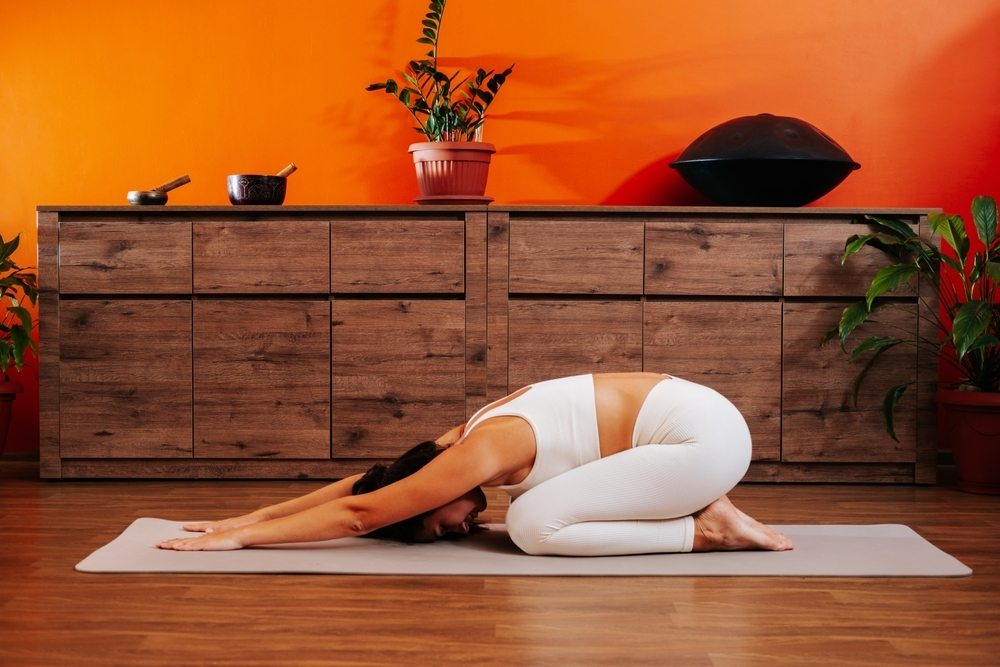
Child's Pose (Balasana)
Child's Pose, or Balasana, is one of the most restorative yoga positions. It gently stretches the hips, lower back, and spine while encouraging deep breathing and relaxation.
Potential Benefits of Child's Pose
May help relieve tension in the lower back
Encourages relaxation of the hips and pelvic muscles
Gently stretches the abdominal area
Supports stress reduction and mental relaxation
Promotes slow, mindful breathing
Because of its calming nature, Child's Pose is often practiced during times of stress or whenever the body needs gentle recovery. Maintaining slow, steady breathing throughout the pose can help maximize its relaxing effects.
Its low-impact nature makes Child's Pose suitable for most fitness levels and an excellent addition to gentle stretching and yoga routines.
Cat-Cow Pose (Marjaryasana-Bitilasana)
The Cat-Cow Pose is a flowing yoga movement that improves spinal mobility through gentle flexion and extension of the back. It is commonly used as part of warm-up routines and mobility sessions to increase flexibility and reduce stiffness.
Potential Benefits of Cat-Cow Pose
Supports spinal mobility and flexibility
May reduce tension in the lower back
Encourages gentle movement of the abdominal area
Improves posture and body awareness
Enhances coordination between breathing and movement
Move slowly through each repetition, synchronizing your breathing with the movement. Avoid sudden or forceful motions, and stay within a comfortable range of motion.
Butterfly Pose (Baddha Konasana)
The Butterfly Pose (Baddha Konasana) is a gentle seated stretch that targets the inner thighs, hips, groin, and pelvic region. It is especially beneficial for individuals who spend long hours sitting, as it helps improve lower-body flexibility and mobility.
To perform the pose, sit upright, bring the soles of your feet together, and allow your knees to gently fall toward the floor.
Potential Benefits of Butterfly Pose
Stretches the inner thigh muscles
May help relieve tightness in the groin area
Supports hip and pelvic mobility
Encourages relaxation throughout the lower body
Improves flexibility over time
Avoid forcing your knees toward the floor. Instead, allow gravity to gently deepen the stretch as your flexibility improves. If needed, place yoga blocks or cushions under your knees for additional support and comfort.
At Morvigo Pro, we believe that gentle yoga and mindful movement can be valuable additions to a healthy lifestyle. Combined with proper rest, balanced nutrition, and regular physical activity, these exercises can help you feel more comfortable, flexible, and connected to your body.
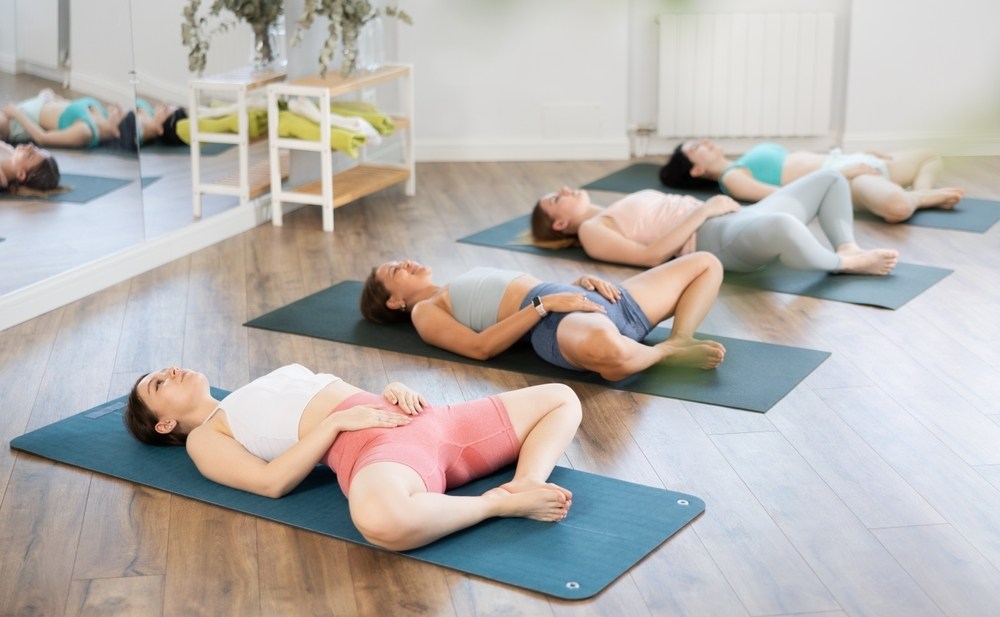
Tips for Exercising During a Delayed Menstrual Cycle
If you're experiencing a delayed period and want to stay active, it's important to listen to your body and choose gentle, low-impact activities. While light exercise may help reduce stress and promote relaxation, intense workouts can sometimes place additional physical stress on the body.
The primary goal during this time should be to support overall well-being rather than push your physical limits. Moderate movement combined with proper rest, hydration, and nutrition is often the best approach.
Exercise Tips During a Delayed Period
Keep the following recommendations in mind:
-
Choose low- to moderate-intensity workouts.
-
Listen to your body's energy levels and avoid overexertion.
-
Stay well hydrated before, during, and after exercise.
-
Avoid any movement that causes pain or discomfort.
-
Focus on proper technique and controlled movement.
-
Prioritize adequate sleep and a balanced diet to support overall health.
When Should You Stop Exercising?
Discontinue your workout and seek medical advice if you experience any of the following symptoms:
-
Loss of balance
-
Dizziness
-
Severe fatigue or weakness
-
Intense or persistent pain
-
Unusual vaginal bleeding
-
Shortness of breath
Frequently Asked Questions
Can Exercise Start Your Period in One Day?
No. There is no exercise that has been scientifically proven to start a menstrual period within one day. Gentle physical activity may help improve circulation, reduce stress, and promote relaxation, but it cannot guarantee the onset of menstruation.
Are These Exercises Suitable for Everyone?
Not necessarily. Exercises intended to support menstrual wellness may not be appropriate for everyone.
Before beginning any new exercise routine, consult a healthcare professional if you:
-
Think you may be pregnant
-
Experience severe or unexplained pelvic pain
-
Have irregular or abnormal vaginal bleeding
-
Have a chronic medical condition
-
Recently had surgery
-
Have significant back, hip, or knee problems
-
Experience frequent or prolonged menstrual delays
Final Thoughts
Gentle exercise can be a valuable part of a healthy lifestyle and may help reduce stress, improve circulation, and promote overall well-being during your menstrual cycle. However, it's important to remember that exercise is not a guaranteed treatment for delayed periods.
If your menstrual cycle changes significantly, delays become frequent, or you experience unusual symptoms, seek guidance from a qualified healthcare professional to determine the underlying cause.
At Morvigo Pro, we encourage a balanced approach to wellness through regular movement, nutritious eating, quality sleep, and mindful self-care. Listening to your body and choosing activities that support your health is always the best path toward long-term well-being.